Introduction: Brighten In Smart Way
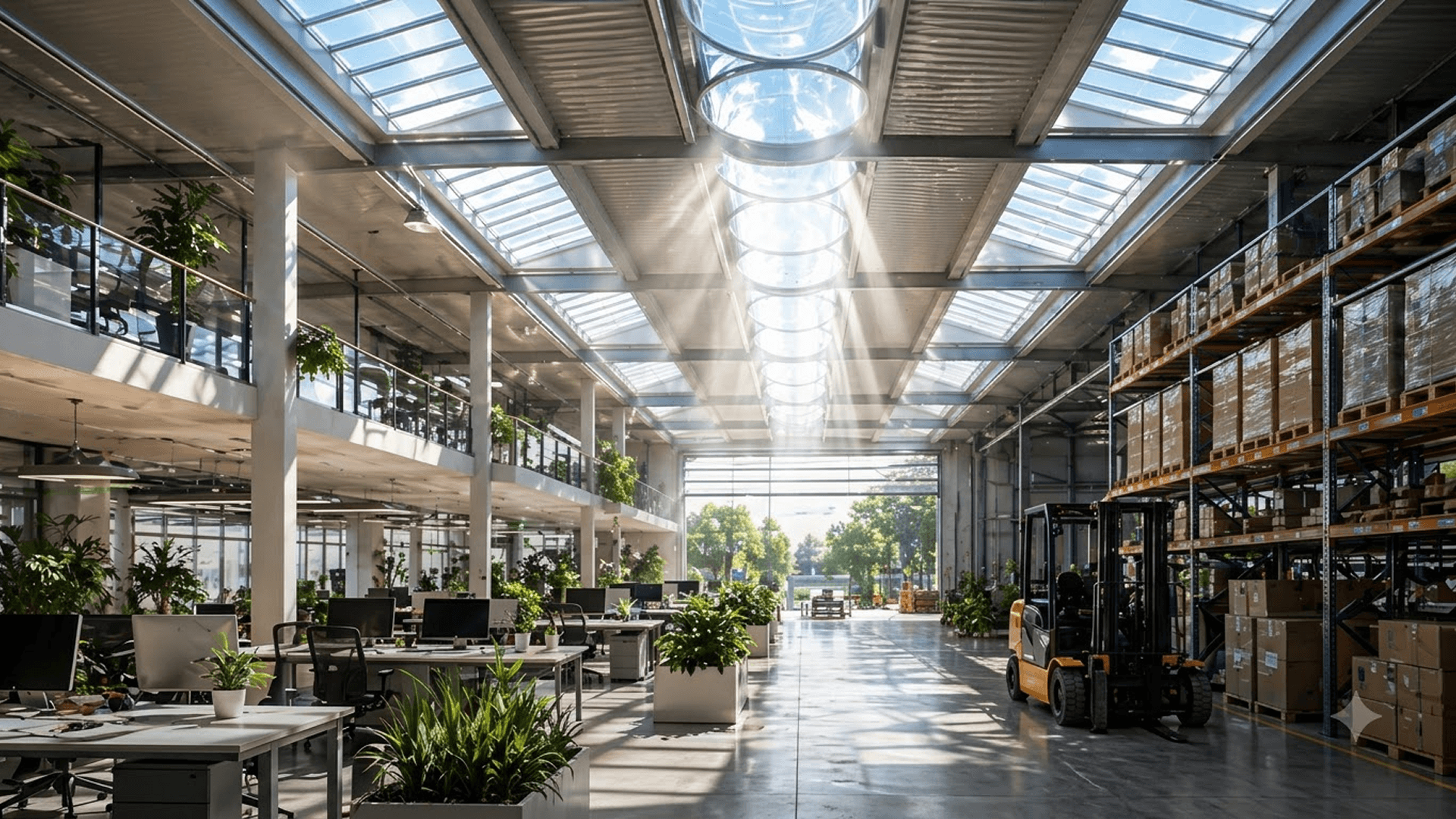
In modern architecture, natural daylight has become one of the most important design elements. It does not only mean saving energy by not turning on the lights but also good for health and improving productivity. To illuminate indoor spaces naturally: A light pipe–most commonly referred to as a "tubular daylight system", solar light tunnel, or daylight pipe–is especially important in the northern latitudes.
A lightpipe works by collecting sunlight through a rooftop dome and channeling it indoors using a highly reflective tube. This system distributes natural daylight into darker spaces without electricity. Installation is easy—mount the dome, connect the reflective tube, and fit the diffuser to the ceiling. Lightpipes are energy-efficient, low-maintenance, and ideal for homes, offices, and factories aiming for sustainable lighting solutions. Whether in homes, commercial offices, or industrial facilities, lightpipes provide a sustainable and cost-effective solution for achieving bright, comfortable interiors throughout the day.
What Is a Lightpipe?
A tubular daylighting device (TDD) also known as a light tube, light pipe, sun tunnel, is a device that captures sunlight at the rooftop and then transfers it down through a highly reflective tube in order to meet interior lighting. Roof sunlight is directed through a reflective pipe system to the ceiling, providing uniform lighting even in windowless rooms.
Main Components:
Dome Collector: Installed on the roof, it gathers sunlight from multiple angles.
Reflective Tube: A mirror-polished tube that transfers the light with minimal loss.
Ceiling Diffuser: The final element that disperses the light softly throughout the room.
This simple yet effective setup ensures that the lightpipe work process provides bright, natural illumination without any electrical input.
How Does Lightpipe Work?
The lightpipe work principle is based on reflection and diffusion.
Sunlight Capture:
The rooftop dome collects both direct and ambient sunlight across the day. Its optical design maximizes capture even during morning and evening hours.Light Transmission:
The sunlight travels through a highly reflective interior pipe, which ensures more than 95% light retention over distance.Diffusion Indoors:
A ceiling-mounted diffuser spreads the light evenly into the room, offering glare-free and heat-free brightness.
This method allows natural daylight to reach areas deep inside a building, reducing dependency on electric lights and lowering energy bills.
Best & Simple Ways to Install a Lightpipe
Installing a lightpipe is a straightforward process that requires careful alignment and sealing:
Choose the Roof Point:
Select a roof area with direct sunlight exposure, preferably facing south or west.Install the Dome Collector:
Fix the collector firmly with a weatherproof seal to prevent leaks.Connect the Reflective Tube:
Attach and align the reflective tube from the roof to the target ceiling area. Ensure the path is straight for better light transmission.Add the Diffuser Panel:
Mount the diffuser flush with the ceiling surface to evenly distribute light.Seal and Test:
Check all joints and seals to prevent air or water leakage and confirm uniform daylight flow indoors.
For large buildings or complex structures, professional installation ensures perfect alignment and optimal light performance.
Advantages of Using a Lightpipe System
Zero daytime electricity use — rely entirely on natural sunlight.
Uniform and glare-free lighting for a comfortable environment.
Eco-friendly design that supports sustainable construction.
Low maintenance and long lifespan (15–20 years).
Flexible applications for homes, offices, warehouses, and schools.
Energy savings up to 80% during daylight hours.
By allowing sunlight to flow naturally, lightpipes reduce carbon emissions while improving indoor ambience.
Applications of Lightpipe Systems
Lightpipes are suitable for almost any structure where daylight is limited or absent, including:
Industrial sheds and warehouses
Retail stores and showrooms
Educational institutions
Office spaces and commercial buildings
Residential homes and basements
Even on cloudy days, the lightpipe work process captures diffused sunlight, providing consistent illumination throughout the year.
Maintenance Tips
Clean the dome or collector lens every few months to maintain brightness.
Inspect the seals and joints before the rainy season.
Keep the reflective tube interior free of dust or condensation.
Check the ceiling diffuser occasionally for clarity and cleanliness.
Regular maintenance ensures maximum daylight output and long-term durability.
Conclusion: The Future of Natural Daylighting
The concept of lightpipe work represents a sustainable shift toward smarter building design. By capturing and distributing sunlight naturally, lightpipes help reduce energy consumption, cut costs, and create brighter, healthier indoor environments.
Their ease of installation, minimal maintenance, and long lifespan make them ideal for both residential and commercial spaces. Whether you want to brighten a dark hallway or reduce daytime lighting expenses in a factory, a well-designed lightpipe system is the simplest and most eco-friendly solution.